
President Xi Jinping‘s big international and economic strategy, One Belt, One Road (OBOR), is also known as the Belt and Road Initiative. The major goal of initiating a significant infrastructure-building effort in its neighboring regions is to improve China’s standing as an economic leader.
Why the name ‘Belt and Road’?
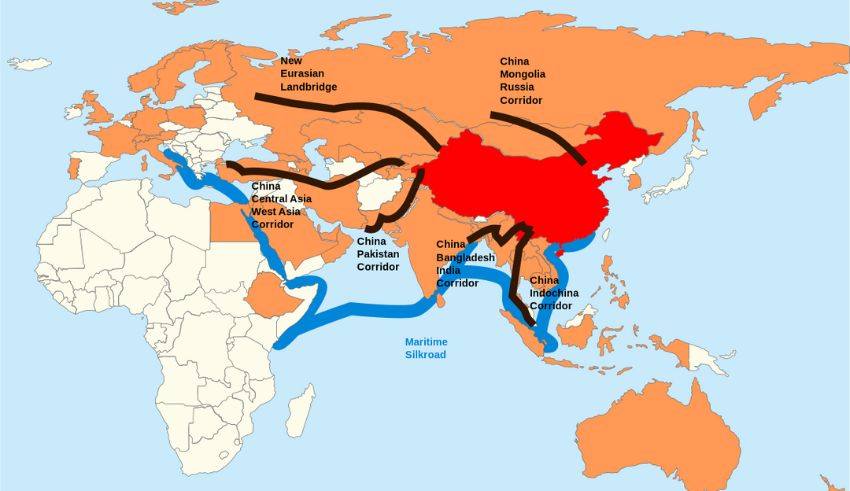
The “Belt” part is about making new land trade routes that connect Europe and Asia. Imagine superhighways for trade. Xi Jinping talked about this idea in 2013 while visiting Kazakhstan.
The “Road” part is about making sea routes like the old Marco Polo route. It’s like building new shipping lanes that go from China to Southeast Asia, Africa, and Europe. They want to skip the Malacca Strait and build things like gas stations, ports, bridges, and more in Southeast Asia and the Indian Ocean. Pakistan is super important for this because of the China-Pakistan Economic Corridor project.
When did it all start?
On September 7, 2013, China officially kicked off the Belt and Road Initiative. They wanted to make a Silk Road Economic Belt and a 21st Century Maritime Silk Road. Basically, they wanted to connect their less-developed areas with their neighbors, making it one of the biggest development plans ever.
On land, they want to connect China to Europe through Central Asia, calling it the Silk Road Economic Belt. The other part is building a 21st Century Maritime Silk Road that links Southeast Asia to China’s southern provinces with ports and railways.
Why did China create the Belt and Road?
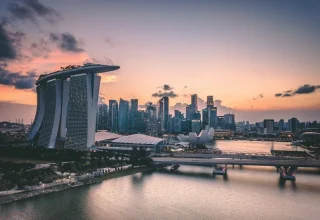
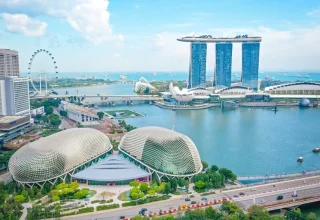
The Belt and Road Initiative is driven by three primary motives: First and foremost, it serves as a strategic response to China’s rivalry with the United States. A significant portion of China’s international trade passes through the Malacca Strait, which is located near Singapore, a staunch U.S. ally. The initiative is essential to China’s quest for secure alternative trade routes.
Second, after the 2008 financial crisis, China had lots of money to spend. They used the Belt and Road to give their companies jobs outside of China. To counter its impact, the Chinese government initiated a ¥4 trillion stimulus package, leading to a saturation of the domestic market. The Belt and Road framework presents an opportunity for China’s state-owned enterprises to seek markets beyond China’s borders.
Third, China wants to boost its central provinces, which aren’t as rich as the coastal areas. So, they use the Belt and Road to support businesses in those regions. The government actively promotes and supports businesses in these central regions, generously allocating budgets and encouraging them to compete for Belt and Road contracts.
Keep Reading
Why is the Belt and Road Initiative Controversial?
Some people say China uses the Belt and Road to trap other countries with debt.
Critics accuse China of practicing “debt trap diplomacy,” where it funds major infrastructure projects in developing nations through unsustainable loans, subsequently leveraging the debt to gain political and economic control.
They fund huge projects in poor countries, and when those countries can’t pay back the loans, China gets power over them. Like what old European empires did.
Instances like the Hambantota Port Development in Sri Lanka, where China took control of the port on a 99-year lease due to Sri Lanka’s inability to repay Chinese loans, have fueled such allegations. However, it’s essential to acknowledge that local factors and mismanagement also played a significant role in such situations.
But it’s not just China’s plan; it’s a mix of deals with different terms. Chinese ministries, provinces, businesses, and diplomats all have their own ideas. Furthermore, the Chinese government has not disclosed detailed information regarding the size and terms of Belt and Road loans, contributing to a lack of transparency and fostering mistrust.
As a result, the Belt and Road Initiative has faced skepticism, particularly from the United States and its major allies. It is frequently characterized as a form of predatory, opaque diplomacy that poses a threat to Western interests.