









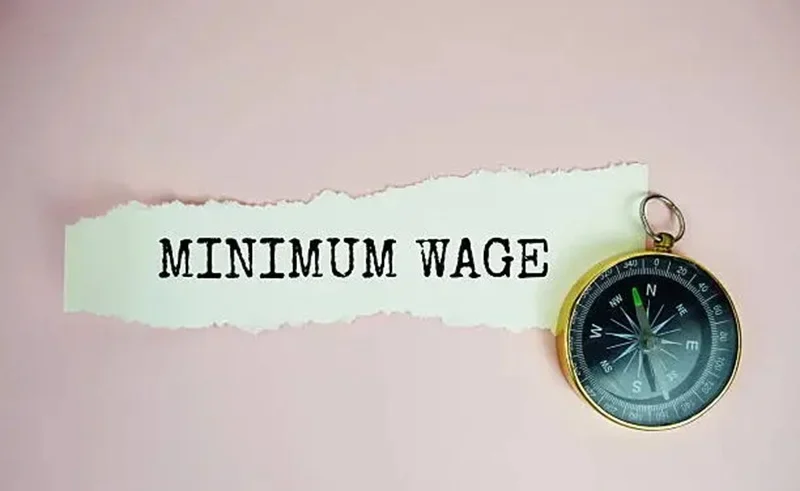
The implementation of the historic Wage Order No. NCR-27 will mean millions of workers in Metro Manila will get an official pay raise. The ₱85 increase in daily wages is implemented in two stages: First, a ₱60 increase in daily wages, which will take effect on July 25, 2026, and then a second ₱25 increase in daily wages, which will be implemented on January 20, 2027.
The new minimum daily rate for non-agricultural workers will increase from ₱695 to ₱755, and later to ₱780, for 2026, but some are asking themselves: Who will not be affected by the 2026 NCR minimum wage increase? Knowing these rules of DOLE exemption is crucial for business owners dealing with the dynamics of compliance deadlines and payroll changes.
Understanding Wage Order No. NCR-27 and Exemption Criteria
The Dole Ministry has stressed the imperative to increase wages in the private sector. But according to strict omnibus rules, some businesses that are financially challenged are eligible for temporary reprieve, as well as those with specific micro-enterprise structures.
To prevent arbitrary non-payment, DOLE enforces strict requirements before granting any exemption status.
Who Is Exempt from the 2026 NCR Minimum Wage Increase?
Under the new wage order issued by the National Wages and Productivity Commission (NWPC) and DOLE, there is no automatic exemption from the order. A formal application must be made to the regional board by the employer.
1. Retail and Service Establishments Employing 10 or Fewer Workers
Eligible for exemption are micro-enterprises where service and retail are repetitive activities and have no more than ten (10) regular employees. This rule is designed to stave off imminent liquidation for small neighborhood businesses, local restaurants and independent service businesses.
2. Distressed Establishments
For those businesses with a significant financial loss that has been documented, those with severe financial loss may apply under the distressed establishment category. Eligible companies are those that submit audited financial statements showing substantial capital losses from prior fiscal years.
3. Businesses Affected by Calamities and Disasters
For those establishments that are situated in regions that have been declared under the State of Calamity by natural calamities, like typhoons, floods, etc., or human-made calamities, they may apply for temporary exemption from minimum wage adjustment.
How Employers Must Apply for Exemption
Businesses cannot just opt out of paying the additional ₱60 per day wage increase. Failure to comply with the RTWPB without its approval is unenforceable without administrative penalty under Republic Act No. 6727 (Wage Rationalization Act).
Application Steps and DOLE Exemption Rules
- File Within 75 Days: The employers are required to submit a full application form which is to be notarized to the RTWPB-NCR within 75 days from the date of publication of Wage Order No. NCR-27.
- Submit Mandatory Documents: This involves submitting sworn statements, financial statements (BIR stamped), and employee registers confirming business size.
- Await Official Resolution: Pending the board’s decision, employers are evaluated under strict financial benchmarks. The employer will be required to pay all back wages if the application is denied, and back wages will be calculated from July 25, 2026.
DOLE Exemption Filing Process
│
┌──────────────────────┼─────────────────────┐
▼ ▼ ▼
1. Prepare Documentation 2. File Form with RTWPB 3. Await Formal Decision
(Audited Statements & BIR) (Within 75-Day Window) (Retroactive Pay if Denied)
Know more about minimum wage changes.
How Will SMEs Handle Wage Hikes?
Check out why businesses are seeking support for higher wage costs.
Which Sectors Get Wage Flexibility?
Find out which industries may receive minimum wage adjustments.
Will Minimum Wage Rules Change?
Browse the latest updates on the ongoing wage policy review.
Why Are Graduate Salaries Falling?
Uncover what the latest data reveals about entry-level pay.
How Much Will You Earn?
Get to know your new monthly take-home pay after the wage hike.
Official Guidelines & Labor Compliance Monitoring
DOLE actively monitors enterprise compliance across Metro Manila. According to official news coverage from the Philippine News Agency (PNA), Labor Secretary Francis Tolentino highlighted that wage adjustments positively impact broader employee benefits, including holiday pay, overtime rates, and 13th-month pay calculations.
Detailed wage schedules, regional advisories, and official exemption forms are available directly on the NWPC-DOLE Official Portal. For further clarification on legal rights and payroll adjustments, visit the Department of Labor and Employment Website.
For official labor announcements, real-time updates, and public advisories, follow the official DOTr Philippines X Page.
FAQs
Are Barangay Micro Business Enterprises (BMBEs) exempt from the wage hike?
Yes. Under Republic Act No. 9178, registered Barangay Micro Business Enterprises (BMBEs) holding a valid Certificate of Authority from the Department of Trade and Industry (DTI) remain exempt from coverage of the Minimum Wage Law.
What happens if an employer fails to pay the new daily rate without an exemption?
Failing or refusing to pay the mandated wage increase constitutes a violation of Republic Act No. 6727 (as amended by RA 8188). Non-compliant employers face double indemnity penalties, administrative fines, and potential legal prosecution.
Do workers earning above the minimum wage get an automatic raise?
No. The wage order directly applies to minimum wage earners. However, if the increase creates a severe salary overlap between job levels, employers and unions should resolve the resulting wage distortion through collective bargaining or voluntary dispute resolution.